Discover Your City: The Definitive Guide to Cycling Rentals for Bold Adventurers
Exploring a city by bike can turn a regular visit into an adventurous experience. Grasping essential gear, rental policies, and local trails is crucial for a protected journey. The right bike can enhance the ride, while scenic routes showcase hidden gems. Managing costs thoughtfully and exploring eco-friendly options further enrich the experience. Yet, many miss the finer details that can transform their biking adventure. What key considerations might make a meaningful difference on the path ahead?
Essential Gear for a Safe and Enjoyable Ride
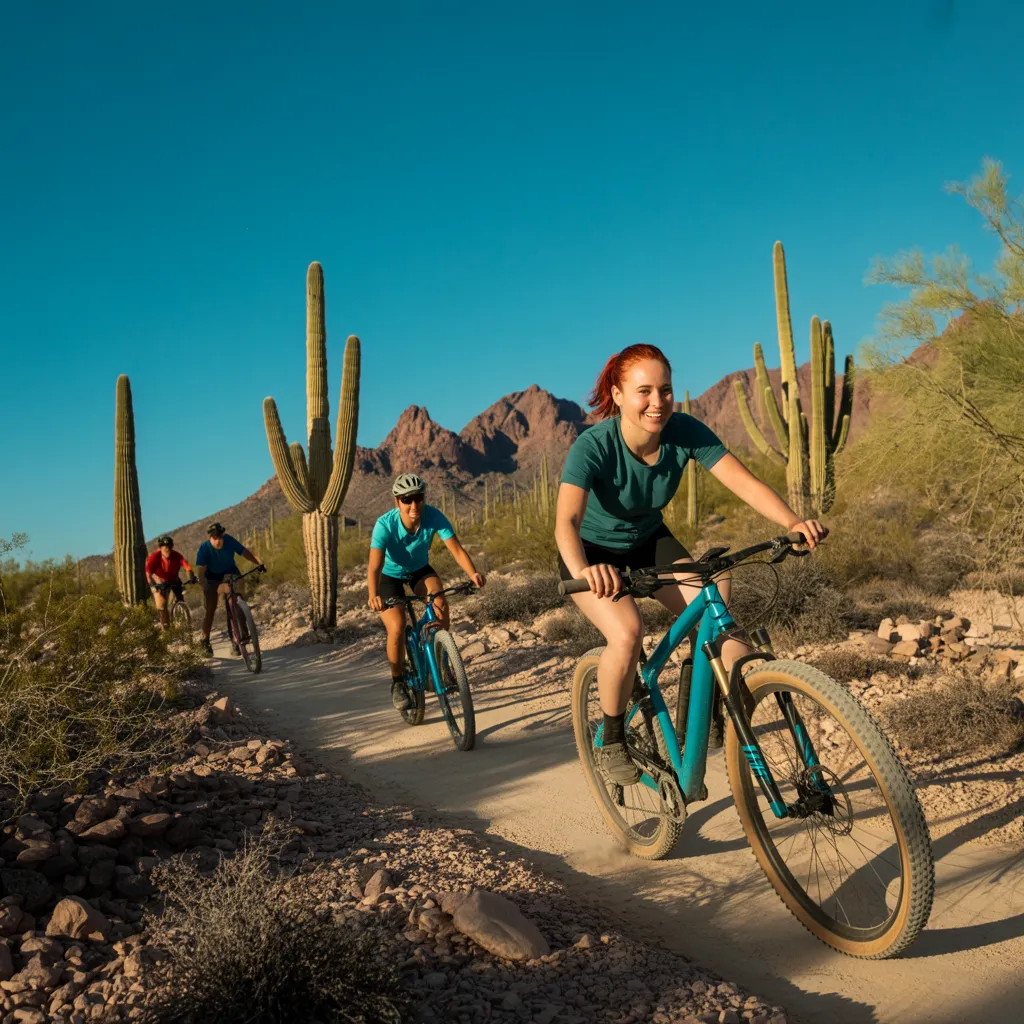
When beginning a bike rental adventure, safety and comfort should be your top priority. Important gear includes a correctly sized helmet, which safeguards against head injuries and improves riding stability. Furthermore, cushioned cycling shorts can significantly boost comfort on extended rides, minimizing friction and irritation.
Cyclists may also want to wearing moisture-wicking garments to help regulate overall body heat. A dependable lock is essential for keeping safe the bike during stops, while a basic repair kit can handle small repairs like punctured tires or displaced chains.
Sunglasses protect against UV rays and debris, enhancing visibility. Additionally, a water bottle and holder are important for hydration, especially on warmer days. Lastly, bright or reflective gear enhances visibility to other road users, promoting safety on shared roads. By providing themselves with this vital gear, riders are able to benefit from a safer and more comfortable cycling experience.
Where to Find the Best Bike Rental Shops
Discovering the finest bike rental shops can significantly improve a cyclist's experience. To identify these shops, riders should begin by exploring local online reviews and ratings. Apps and websites focused on travel or outdoor pursuits frequently feature trustworthy rental providers, complete with user testimonials.
In addition, gathering input from other cyclists or community biking groups can yield valuable insights. Numerous cities feature dedicated biking trails and paths, so businesses positioned near these trails tend to supply affordable rates alongside quality service.
A further effective method is to stop by local tourist information centers, where knowledgeable personnel can recommend rental shops in the surrounding area, that commonly provide special offers or reduced rates.
Finally, monitoring social media channels can get the full story highlight bike rental deals and events in your area, allowing riders to stay informed about the most suitable opportunities near them. Integrating all of these methods will result in a rewarding and unforgettable riding experience.
Key Bike Rental Policies Worth Knowing
Prior to completing a bike rental, being aware of the relevant policies is crucial for a seamless experience. Rental shops typically outline specific terms regarding age requirements, identification, and payment methods. A large number of rental shops ask for a valid form of identification and a credit card to cover security deposits. It is equally important to understand the available rental periods; hourly, daily, and weekly options may vary in cost and availability.
Cancellation policies can differ markedly, with certain rental shops providing complete refunds when canceled within a designated period, while others may impose fees. Moreover, understanding the liability for damages or theft is critical. Some providers incorporate insurance protection, while others may require additional coverage. Cyclists should also acquaint themselves with regional traffic regulations and any limitations on cycling routes. By comprehending these policies, adventurers can guarantee a more enjoyable and hassle-free biking experience.
Key Tips for Picking the Right Bike Rental?
What is the best way to find the best bike rental for their needs? To begin, understanding the type of riding needed is key. From relaxed scenic rides to demanding off-road adventures, the chosen bike should suit both the terrain and purpose. Next, potential renters should consider the rental company's reputation; reading reviews can provide insight into the quality of service and equipment.
Moreover, it's vital to inspect the state of the bikes. A quick check for maintenance issues or deterioration can avoid disappointing situations. Rental duration is also significant; most providers offer hourly, daily, or weekly rates, which can influence the total price. To conclude, understanding rental agreements—such as insurance options and return conditions—ensures a seamless transaction. By evaluating these factors, individuals can successfully choose a bike rental that meets their exploration goals.
Uncover Scenic Routes and Secret Gems
Exploring breathtaking trails and lesser-known destinations can transform a bicycle rental journey into an memorable experience. From breathtaking cycling routes that reveal magnificent views to hidden retreats filled with cultural treasures, cyclists are frequently treated to remarkable finds. Additionally, urban bike paths offer a combination of local flavor and practicality, perfect for cyclists in pursuit of a lively metropolitan journey.
Top Scenic Trails Worth Exploring
Picturesque trails give cyclists the opportunity to immerse themselves in nature while uncovering stunning landscapes and hidden treasures. Numerous cities boast carefully maintained paths that highlight their distinctive charm. To illustrate, the waterfront path offers magnificent views of sparkling waters, making it ideal for casual rides. Metropolitan parks commonly offer trails weaving through rich green spaces, where riders can experience a serene refuge from the hustle of city life. In highland regions, trails deliver exciting ascents and breathtaking panoramas that reward cyclists with extraordinary scenery. Seaside paths treat riders to the refreshing sea breeze and striking coastal cliffs. Each route functions as a canvas, crafting a dynamic depiction of local heritage and natural splendor, encouraging adventurers to explore and relish every instant along the path.
Under-the-Radar Places
For those seeking unique experiences, lesser-explored destinations uncover secret treasures and obscure paths that are frequently overlooked. These scenic trails offer a rejuvenating escape from crowded tourist areas, giving cyclists the opportunity to connect deeply with regional traditions and the natural environment. Venturing into delightful local areas, adventurers may come across cozy bistros, striking street installations, or community markets that highlight the city's distinctive spirit.
Outdoor lovers can uncover hidden parks, serene lakes, or meandering rivers, great for a serene journey. These trails commonly showcase stunning views, including concealed viewpoints or verdant landscapes, that are not found on typical maps. By straying from the beaten path, bikers can craft lasting impressions and discover the genuine spirit of their locale, enhancing their journey.
Greatest Urban Bike Paths
What defines a truly unforgettable bike path? It typically comes from a mix of natural beauty, convenient access, and charming surprises. Bike paths in urban settings can elevate a casual ride into a meaningful exploration of a city's character. To illustrate, the High Line in New York City delivers an extraordinary elevated adventure showcasing beautiful gardens and captivating art installations. Meanwhile, Chicago's Lakefront Trail provides stunning views of Lake Michigan and the skyline. Across in San Francisco, the Golden Gate Bridge path enables cyclists to take in magnificent views while riding across this celebrated landmark. Each of these paths reveals urban landscapes, inviting riders to discover local culture and history, making them ideal for both tourists and residents seeking adventure on two wheels.
How to Explore Local Trails Like an Expert
Traversing local trails demands careful preparation and consideration for the surroundings. Riders need to prepare themselves with fundamental supplies, plan their routes in advance, and familiarize themselves with established trail guidelines to elevate their riding experience. Understanding these elements guarantees a comfortable and rewarding experience for everyone involved.
Essential Gear You Need
While discovering local bike paths, being equipped with the proper gear can greatly enhance the cycling experience. Key gear includes a well-fitted helmet to safeguard against injuries, and comfortable, moisture-wicking clothing for optimal performance. Sturdy biking gloves enhance grip while reducing hand fatigue, while padded cycling shorts improve comfort during extended rides.
A dependable water container or hydration pack is crucial to keep hydrated, especially on sunny days. Additionally, a portable repair kit with tire levers, a tire pump, and a multipurpose tool can rescue a cycling trip from sudden problems. Finally, a high-quality pair of cycling glasses will guard against sunlight and flying debris. With this necessary equipment, riders can confidently navigate surrounding trails and make the most of their biking adventure to the fullest.
Plan Your Route
Mapping out a route is vital for every cyclist looking to explore local trails efficiently. To begin, cyclists should study local maps and trail resources, focusing on their chosen distance and terrain difficulty. Leveraging tools like Strava or Trailforks can provide real-time navigation and highlight popular routes. It's wise to reflect on trail conditions, as changing weather can influence trail conditions; checking local forums or social media groups can offer useful guidance. Moreover, marking landmarks and rest areas can enhance the ride, ensuring a more enjoyable experience. Cyclists should also familiarize themselves with alternative routes when faced with unexpected trail closures. Ultimately, thorough preparation enables cyclists to explore local trails with confidence and uncover hidden gems en route.
Trail Etiquette Pointers
Grasping trail rules is crucial for riders determined to fully enjoy their outdoor adventures. To begin with, they should make way for walkers and hikers, letting walkers and hikers to move past without difficulty. As they come close to other users, a polite bell chime or vocal warning minimizes sudden frights. Cyclists should maintain a measured pace, particularly in crowded areas, and refrain from zigzagging through other users. It's also important to keep to established routes to minimize environmental impact. Should they come across wildlife, bikers should look on from a respectful distance and avoid disturbing the animals. To conclude, showing consideration for other trail users by maintaining a quiet presence and keeping the trail free of obstructions fosters a peaceful trail atmosphere for every visitor.
Budgeting for Your Bike Rental Experience
How can one make the most of their budget when renting a bike? To start, researching local rental shops is crucial. Prices can vary considerably, so comparing options may reveal hidden gems offering competitive rates. Furthermore, numerous shops offer reduced rates for extended rental durations, making it cost-effective to choose a full day or even a week.
Next, consider the kind of bicycle required. Although premium bikes may seem appealing, a standard bike often suffices for casual exploration. You should also ask about included amenities, such as safety equipment or locking mechanisms, which can save money on additional purchases.
Finally, check any additional costs, such as coverage fees or overdue return penalties, to steer clear of unwanted charges. With thoughtful preparation and cost consideration, one can enjoy a fulfilling biking experience without breaking the bank. This mindful strategy confirms that the experience remains both rewarding and economically sustainable.
Green Benefits of Renting a Bicycle
While many travelers seek adventure, they may not realize that renting a bike offers significant eco-friendly benefits. Choosing a bicycle over a car reduces carbon emissions, leading to fresher air and fewer traffic jams. Bikes burn no fossil fuels and demand few resources to manufacture, making them a sustainable mode of transport.
In city environments, biking fosters a cleaner atmosphere by reducing noise levels and supporting the creation of cyclist-friendly pathways. Moreover, bike rentals often support local businesses that prioritize sustainability, further enhancing the positive impact on the community.
In addition, opting for a bicycle rental cultivates a greater bond with the local area, allowing travelers to discover lesser-known locations free from the carbon footprint associated with motorized vehicles. As attention to environmental issues grows, choosing to rent a bike stands as not just a daring option but a mindful one, synchronizing travel with green principles.
Common Questions and Answers
What Types of Bikes Are Available for Rental?
Several bike types can be rented, featuring road bikes, mountain bikes, hybrid bikes, and electric bikes. Each option is tailored to meet different preferences, giving riders the freedom to pick the ideal choice for their urban adventure.
What Are the Age Requirements for Renting a Bike?
Age restrictions for bike rentals vary by location. Typically, adults can rent bikes, while minors may need parental consent or supervision. Some rental shops also offer specific bikes designed for younger riders to guarantee safety.
Am I Able to Rent a Bike for a Day Trip?
Absolutely, many bike rental companies provide bikes for day trips, enabling individuals to explore their surroundings at their leisure. It is advisable to check the rental guidelines regarding duration and other stipulations before committing.
What Do I Do if Someone Steals My Bike?
In the event that a rented bike is stolen, the renter is typically responsible for reporting the theft to both the rental company and local law enforcement. Fees may be assessed according to the rental agreement, potentially leading to financial liability.
Do Rental Shops Provide Helmets and Safety Gear?
Most rental shops do provide helmets and safety gear, ensuring riders have essential protection. That said, it is recommended that customers check the availability and state of equipment before making a rental, since policies can differ from one shop to another.